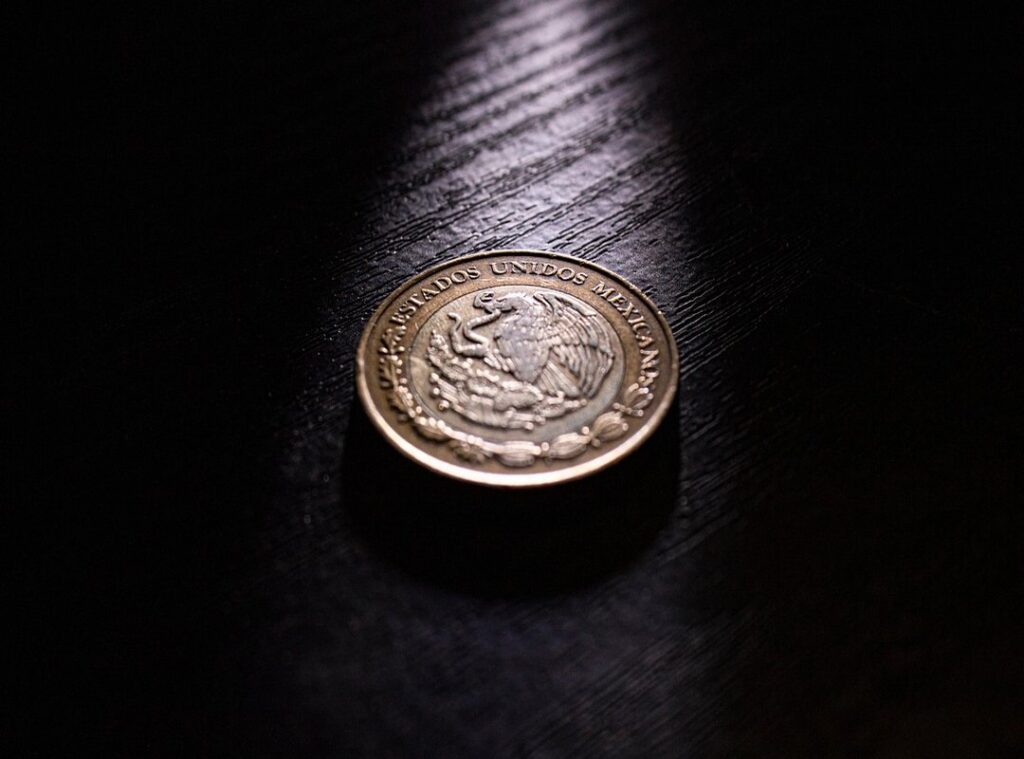
3800 pesos mexicanos a pesos chilenos is about 217,000 CLP at the mid-market rate right now. But hold on, this number can change. The mid-market rate is the real exchange rate without any fees added.
So, why does this rate fluctuate? How can you get the best deal? And what are the smartest ways to make the conversion?
Let’s dive in and figure it all out.
Understanding the MXN to CLP Exchange Rate
Let’s start with the basics. An exchange rate is just the price of one currency in terms of another. For example, if you want to know how many Chilean pesos (CLP) you get for one Mexican peso (MXN), that’s the MXN/CLP exchange rate.
When you go to a currency exchange service, they offer two rates: the ‘buy rate’ and the ‘sell rate’. The buy rate is what they’ll give you if you’re selling your MXN to get CLP. The sell rate is what they charge if you’re buying MXN with your CLP.
They make money on the difference between these two rates, which is called the spread.
The mid-market rate is the most important number to know. It’s like the wholesale price of a product. The buy and sell rates are more like the retail prices you see in a store.
Knowing the mid-market rate helps you spot if you’re getting a fair deal or if the exchange service is taking too much.
Imagine you have 3800 pesos mexicanos a pesos chilenos. To convert, use this simple formula:
(Amount in MXN) x (CLP per 1 MXN) = Amount in CLP
So, if the mid-market rate is 45 CLP per 1 MXN, you’d calculate it as:
3800 MXN x 45 CLP/MXN = 171,000 CLP
Both the Mexican peso and the Chilean peso have been relatively stable in the Latin American market. This stability makes them a bit easier to handle compared to some other currencies. But always keep an eye on the mid-market rate to ensure you’re not overpaying.
Key Factors That Influence the Peso-to-Peso Value
When it comes to the peso-to-peso value, a few key factors come into play. Let’s break them down.
First up, national interest rates. The central banks of Mexico (Banxico) and Chile (Banco Central de Chile) set these rates. Higher interest rates in one country can make its currency more attractive to investors, boosting its value.
Inflation is another biggie. If inflation is high in either Mexico or Chile, it can weaken that country’s currency. This means your money won’t go as far, and the exchange rate will reflect that.
Economic health and political stability are also crucial. Good news, like strong economic growth or a stable government, can strengthen a currency. On the flip side, uncertainty—like political unrest—can weaken it.
Trade between the two countries matters too. Chile is known for its copper exports, while Mexico is a major player in manufactured goods. When trade is booming, it can positively impact the exchange rate.
The U.S. Dollar plays a role as well. Both the Mexican Peso (MXN) and the Chilean Peso (CLP) are often valued against the USD.
If the USD strengthens, it can indirectly affect the MXN/CLP rate.
So, if you’re looking at 3800 pesos mexicanos a pesos chilenos, all these factors are at play. It’s not just about the numbers; it’s about understanding the bigger picture. 3800 pesos mexicanos a pesos chilenos
The Smartest Ways to Convert 3,800 Pesos from Mexico to Chile

Start with an anecdote about a time I needed to send money to a friend in Chile. I had 3,800 pesos mexicanos a pesos chilenos and was clueless about the best way to do it. After some research, I found a few options that worked well.
Online Money Transfer Services (e.g., Wise, Remitly)
These services are great for low fees and good exchange rates. They’re pretty straightforward if you have a bank account. But, they can take a day or two for the transfer to go through.
Traditional Banks
Banks offer security, which is a big plus. You can walk into a branch and set up a wire transfer. However, the fees are higher, and the exchange rates aren’t as favorable.
It’s a trade-off between convenience and cost.
Physical Currency Exchange at Airports or Kiosks
If you’re in a pinch, exchanging cash at an airport or kiosk might seem like a quick fix. But, it’s often the worst option. The fees are sky-high, and the exchange rates are terrible.
Use this only for small emergencies.
Comparison of Options
- Online Money Transfer Services:
- Cost: Low
- Speed: 1-2 days
-
Convenience: High (if you have a bank account)
-
Traditional Banks:
- Cost: Higher
- Speed: 1-3 days
-
Convenience: Moderate (need to visit a branch or use online banking)
-
Physical Currency Exchange:
- Cost: Very high
- Speed: Instant
- Convenience: Low (high fees and poor rates)
Actionable Tip
Always compare the total amount the recipient will get in CLP, after all fees, not just the advertised exchange rate. This way, you know exactly how much your friend or family member will receive.
Your Quick Guide to a Successful Currency Exchange
The number you see online is the mid-market rate, but the amount you get will include fees. For a sum like 3800 pesos mexicanos a pesos chilenos, online transfer services almost always offer the best value over traditional banks. Keep an eye on key economic factors such as interest rates and inflation if you plan on making future transfers.
These can significantly impact the exchange rate.
Is it better to exchange money before you travel or when you arrive? Exchanging a small amount beforehand and the rest via ATM or transfer service is usually best. This approach gives you cash immediately upon arrival while allowing you to take advantage of better rates later.
A few minutes of comparison shopping can save a significant amount of money on any currency exchange.
 A key contributor to the foundation of Zard Gadgets, Ronaldo Floresierna played a vital role in shaping the platform's technical and strategic edge. His expertise in eSports dynamics and gadget-driven enhancements helped bridge the gap between high-level gear and practical player performance. By focusing on professional-grade tutorials and hardware reliability, Floresierna ensured the project became a trusted resource for gamers seeking to optimize their competitive mastery.