
If you’re searching for a clear, up-to-date breakdown of ai in video games, you’re likely trying to understand how it’s actually shaping gameplay—not just the hype around it. This article dives straight into what matters: how AI is transforming enemy behavior, open-world immersion, adaptive difficulty, NPC realism, and competitive eSports strategy.
Gamers today want smarter opponents, more dynamic worlds, and tools that enhance performance. We’ll explore how modern AI systems power everything from tactical shooters to sprawling RPGs, and how these advancements directly impact your experience—whether you’re a casual player or grinding ranked matches.
To ensure accuracy, this guide draws on developer insights, recent game engine updates, and hands-on testing of AI-driven mechanics across popular titles. You’ll walk away understanding what’s real, what’s marketing buzz, and what innovations are genuinely changing the future of gaming right now.
Beyond Smarter Enemies: The New Frontier of AI in Gaming
As players embrace the transformative power of AI in video games, they may find themselves looking for ways to enhance their gaming experience, such as exploring strategies on How To Get Hell2mize.
Forget the cliché about NPCs finally learning not to sprint into walls. The real shift is structural. AI isn’t just polishing behavior trees (rule-based systems that dictate character actions); it’s redesigning how worlds are built.
Some argue this is overhyped—that great games come from human creativity, not algorithms. Fair. But procedural generation, machine learning animation blending, and adaptive difficulty systems are cutting production time while making worlds feel less static. That’s not hype; that’s pipeline efficiency.
Consider:
- Dynamic quest systems that react to player history
- AI-assisted asset creation reducing art bottlenecks
- Real-time balancing informed by player data
Critics worry ai in video games will sterilize creativity. I disagree. Used well, it’s more like a co-op partner than a replacement (think player two, not the final boss). The frontier isn’t smarter enemies—it’s smarter development.
Dynamic Worlds and Unpredictable Foes: AI-Driven Gameplay
Evolving NPCs
Non-playable characters (NPCs)—the digital inhabitants who react to your choices—are no longer stuck in basic pathfinding loops. Modern systems allow enemies to learn from player behavior, tracking tactics like stealth routes or favorite weapons and adapting accordingly. Think of the nemesis-style rival who remembers your last encounter and comes back stronger (yes, like that one orc who just wouldn’t stay defeated). These systems create emergent narratives, meaning unscripted stories formed by gameplay interactions rather than cutscenes.
Some critics argue this unpredictability can feel unfair. If enemies constantly adapt, where’s the mastery? The counterpoint: real challenge comes from strategy, not memorizing patrol routes. When squads coordinate flanks or call reinforcements dynamically, victories feel earned—not rehearsed.
Adaptive Difficulty Scaling
Adaptive difficulty uses real-time performance data—accuracy, reaction speed, failure rates—to tune enemy health, spawn frequency, and even puzzle complexity. The goal? A “flow state,” defined by psychologist Mihaly Csikszentmihalyi as the sweet spot between boredom and anxiety (1990).
Skeptics say this coddles players. But well-designed scaling doesn’t lower standards—it personalizes the climb. Pro tip: turn off visible difficulty labels when possible; hidden scaling often produces more immersive tension.
The Pro-Gamer Angle
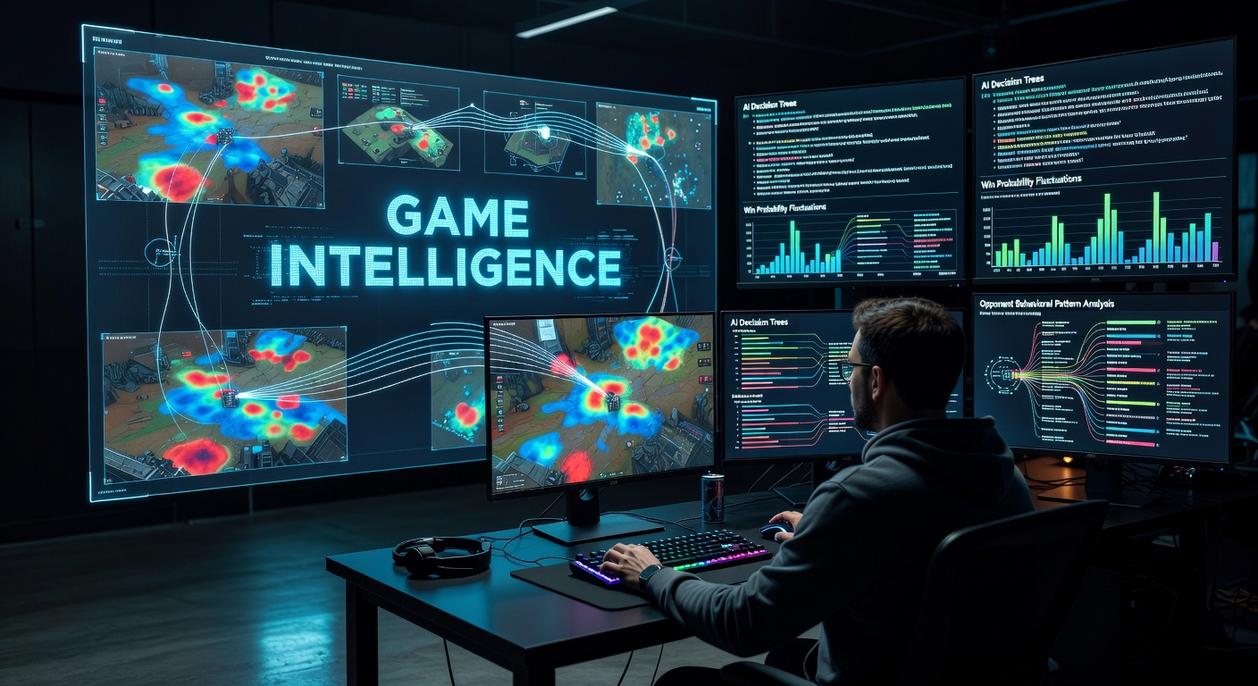
Elite players thrive on predictability. Traditional bots follow patterns, and patterns get exploited. Machine-learning-driven opponents, however, analyze meta-strategies and counter them in real time. This evolution in ai in video games forces competitors to think several moves ahead instead of farming the same exploit.
What’s next? Expect AI that studies community-wide data, evolving across seasons. If you’re serious about staying ahead, refining decision-making and adaptability will matter more than memorizing spawn timers (goodbye, comfort zone). For deeper competitive insights, explore this advanced strategy breakdown.
Building Infinite Universes: AI in Procedural Content Generation (PCG)
The first time I loaded into a procedurally generated world, I was excited—until I realized every cave felt the same. Random loot. Random enemies. Random chaos. That’s old-school procedural generation: algorithms that shuffle prebuilt assets using probability rules (basically digital dice rolls).
Modern AI-driven PCG is different. Instead of just randomizing pieces, it uses machine learning—systems trained on massive datasets—to create coherent environments, believable questlines, and even emotionally consistent story arcs. In short, it doesn’t just generate content; it understands patterns. That’s the real leap in ai in video games.
For developers, the benefit is enormous. Building open worlds the size of continents traditionally requires thousands of design hours. According to a 2023 Unity report, over 60% of studios cite content creation as their biggest production bottleneck. AI can generate terrain layouts, city grids, or dungeon logic in minutes. Designers then step in to refine pacing, add narrative hooks, and polish aesthetics (the human touch still matters). Pro tip: the best results happen when teams treat AI as a collaborator, not a replacement.
Of course, some critics argue AI-generated worlds lack soul. And they’re not entirely wrong—poorly trained systems can feel repetitive. However, when guided properly, AI curates experiences that feel handcrafted.
For gamers, this means unprecedented replayability. Imagine every playthrough offering a fresh map, new enemy tactics, and evolving side quests. It’s the difference between rewatching a movie and stepping into a multiverse.
And as debates like cloud gaming vs console gaming a detailed performance comparison continue, one thing’s clear: smarter worlds are becoming the real game-changer.
The Developer’s Co-Pilot: AI Tools in the Production Pipeline
Game development has always been part art, part endurance sport (ask any animator pulling a 2 a.m. render). Now, AI is becoming a true co-pilot.
Accelerating Art and Animation
Generative systems can draft concept art, generate textures, and even block out 3D models in minutes. Procedural generation—the automated creation of assets through algorithms—helps teams iterate faster without sacrificing style. Instead of replacing artists, these tools give them a stronger starting point (think Photoshop layers, not paint-by-numbers).
Prediction: Within five years, we’ll likely see hybrid pipelines where 70% of early-stage visual prototyping is AI-assisted—freeing creatives to focus on polish and storytelling.
Intelligent Bug Squashing
AI-driven QA bots can simulate thousands of playthroughs, flagging collision issues, economy exploits, and soft locks. Unlike human testers, they don’t get tired or miss obscure edge cases.
- Automated stress-testing at scale
- Pattern recognition for exploit detection
Some argue human QA intuition can’t be replicated. Fair point. But pairing both? That’s where the real power lies.
Personalized Player Experiences
By analyzing telemetry from playtests, ai in video games can identify friction points before launch. Speculation: dynamic difficulty balancing may soon adjust in real time, tailoring challenge like a Netflix recommendation engine for gameplay.
The Road Ahead: Challenges and the Future of AI-Enhanced Gaming
As exciting as ai in video games sounds, concerns remain. Some fear AI will replace human artists and designers, cutting creative jobs. However, others see it as a tool for automating repetitive tasks so people can focus on bold ideas.
Meanwhile models require computing power and GPUs cost plenty. Cloud gaming could offload strain.
Ultimately aim is stories for every player. Isn’t that the dream?
Your next favorite game is being built with AI. If that sounds like marketing hype, let’s clarify what that actually means. Artificial intelligence in gaming isn’t sentient robots; it’s software systems that learn, adapt, and generate content. In simple terms, ai in video games helps developers 1. create smarter enemies, 2. build dynamic worlds, and 3. balance difficulty in real time. That means fewer repetitive levels and more emergent moments—unexpected, player-driven experiences. Some argue AI removes human creativity. In reality, it reduces production costs while freeing designers to focus on storytelling and polish. Watch for its subtle fingerprints at play.
Level Up Your Gaming Edge Today
You came here to understand how ai in video games is transforming gameplay, sharpening competition, and redefining what’s possible in modern gaming. Now you’ve seen how smarter NPCs, adaptive difficulty, real-time analytics, and AI-powered gear optimization can dramatically improve your performance and overall experience.
The reality is this: gaming is more competitive than ever. If you’re not using the latest tools, strategies, and AI-driven enhancements, you’re already a step behind. Whether you’re grinding ranked matches, entering eSports tournaments, or just trying to dominate your squad lobbies, staying informed is no longer optional — it’s essential.
So here’s your next move: start applying these AI-driven strategies, upgrade to performance-boosting gear, and stay locked in on the latest tactical insights. Don’t let outdated setups or old-school tactics hold you back.
Ready to gain the edge? Explore our top-rated gaming gear reviews, pro-level tutorials, and cutting-edge strategy breakdowns trusted by competitive players everywhere. Level up your setup, sharpen your skills, and take control of your next win today.
 Tameka Beltranice was instrumental in building the Zard Gadgets ecosystem, bringing a sharp focus to community-driven content and gaming trends. Her work in developing comprehensive gear reviews and eSports strategy guides helped establish the brand as an authoritative voice in the industry. Through her dedication to detail and passion for digital innovation, Beltranice helped turn the project into a premier destination for players at every skill level.