
The debate over cloud gaming vs console gaming has never been more relevant. With powerful streaming platforms like GeForce Now and Xbox Cloud Gaming challenging the dominance of PlayStation 5 and Xbox Series X, choosing how to play is more complicated than ever. Should you invest in high-performance hardware, or stream your games instantly on almost any device? This guide breaks down the real differences in cost, performance, convenience, and overall experience. Backed by hundreds of hours of hands-on testing across leading platforms, we deliver unbiased, performance-driven insights to help you decide which option truly fits your gaming style.
Round 1: Performance, Latency, and Visual Fidelity
When comparing cloud gaming vs console gaming, the biggest differences show up in three areas: power, speed, and image quality. Let’s break those down in plain English.
Console Advantage – Raw Power
A console runs games directly from its own hardware to your display. That tight connection reduces input lag (the delay between pressing a button and seeing the action happen). Because developers optimize games for fixed hardware, you often get native 4K resolution (true ultra-high-definition, not upscaled) and stable 60 or even 120 frames per second (FPS). Stability matters—especially when every frame counts.
Cloud Gaming’s Hurdle – The Internet Factor
Cloud gaming streams gameplay from remote servers. Performance depends on:
- Internet speed (how fast data transfers)
- Latency (how long data takes to travel)
- Server proximity (physical distance to data centers)
Even with fiber internet, slight latency and compression artifacts (visual fuzziness from video encoding) can appear. Think of it like Netflix buffering—except you’re controlling the action.
The Pro Gamer Take
In competitive shooters or fighting games, near-zero latency is king (ask any eSports player). Milliseconds decide matches.
The Casual Gamer Exception
For RPGs or strategy titles, minor lag is often unnoticeable—and convenience may outweigh perfection (especially for story-driven marathons worthy of a fantasy saga).
Round 2: The True Cost of Gaming – Upfront vs. Ongoing
A few years ago, I remember standing in a store debating whether to drop $500 on a new console. My wallet said no. My inner gamer said, “You’ll thank me later.” That moment perfectly sums up the cloud gaming vs console gaming cost debate.
Console Cost – The Upfront Investment
First, let’s define upfront investment: a large payment made at the beginning for long-term use. Consoles typically cost $400–$550, and new titles often run $70 each (Sony, 2023 pricing data). That’s a steep barrier to entry. However, once you buy:
- You own the hardware.
- You keep physical or digital games indefinitely.
- You can resell physical copies.
In other words, the value builds over time (like a bookshelf you actually use).
Cloud Gaming Cost – The Subscription Model
By contrast, subscription model means paying a recurring monthly fee for continued access. Most services charge $10–$20 per month (Microsoft, 2023). Initially, that feels painless. However, over three years, that’s $360–$720—and that’s before buying extra titles if required.
Still, the flexibility is appealing. You can experiment with multiple games without committing $70 each. That ties directly into how live service games are redefining player engagement.
Ultimately, consoles reward commitment, while cloud rewards curiosity. The real question is: do you prefer ownership or access?
Round 3: Game Libraries, Exclusives, and Access
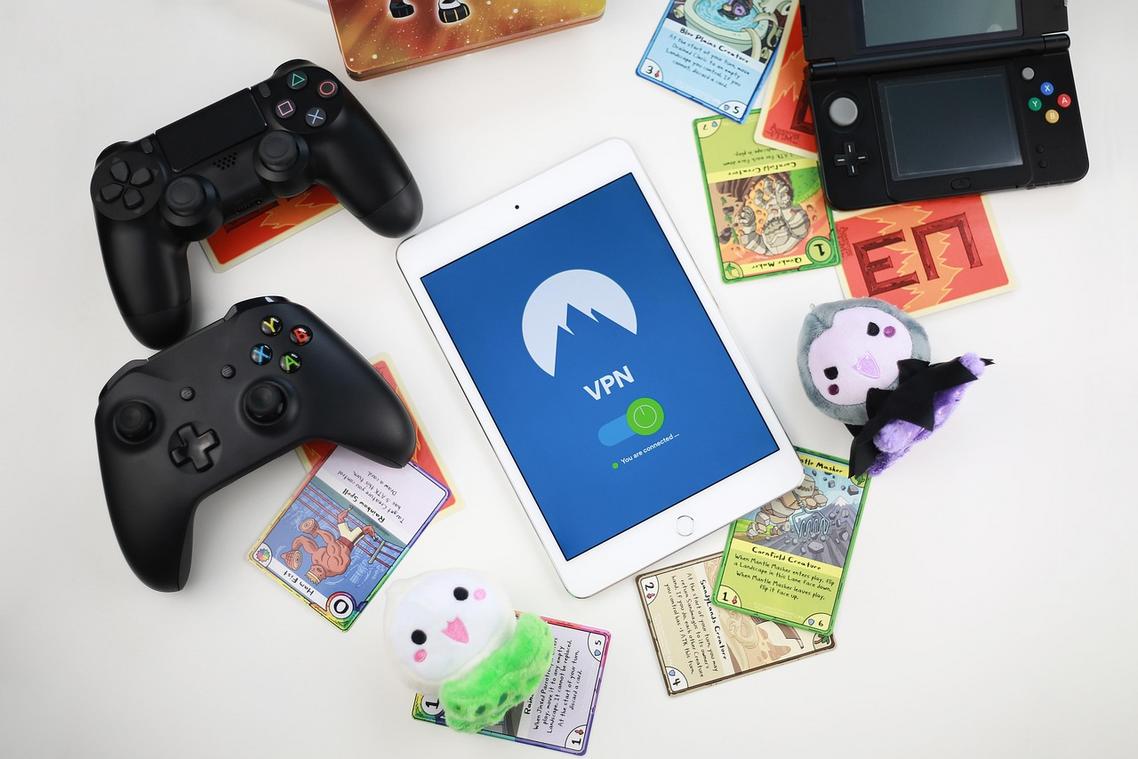
When it comes to game libraries, the real battle in cloud gaming vs console gaming isn’t just hardware—it’s access philosophy.
1. Console Exclusives – The Walled Garden
A walled garden is a closed ecosystem where content is only available on one platform. Sony’s God of War and Nintendo’s The Legend of Zelda are prime examples—franchises designed to sell consoles. According to Sony’s 2023 financial reports, first-party exclusives consistently drive hardware spikes during launch windows. The benefit? Guaranteed, optimized experiences built specifically for that system (and often polished to a mirror shine). The tradeoff? If you want the game, you buy the box.
2. Cloud Gaming Libraries – Breadth Over Depth
Subscription platforms like Xbox Game Pass offer hundreds of titles for a flat monthly fee. This rotating catalog model (think Netflix, but with boss fights) lets players experiment across genres without paying $70 per title. Microsoft has confirmed Game Pass regularly cycles games in and out to refresh engagement. The upside is variety. The downside? A favorite title can disappear when licensing deals expire.
3. Ownership vs. Rental
Buying a physical or digital console game means it’s permanently tied to your account. Cloud subscriptions, however, often function like rentals—cancel the subscription, lose access. For collectors and completionists, that distinction matters.
4. The “Bring Your Own Game” Model
Services like GeForce Now let you stream titles you already own on Steam or Epic Games. This hybrid approach combines true ownership with cloud convenience. (It’s like bringing your Blu-ray to a friend’s house—no double dipping required.)
Each model offers distinct benefits—it just depends on whether you value permanence or flexibility.
Round 4: Convenience, Portability, and The Ecosystem
When people debate cloud gaming vs console gaming, they’re usually arguing about power. But the real showdown? Convenience.
Cloud Gaming: Play Anywhere Power
Cloud gaming’s biggest advantage is simple: portability. You can boot up a AAA title (that’s “triple-A,” meaning big-budget, blockbuster-level games) on your phone, a budget laptop, or even a smart TV. No expensive hardware required. Your saves live in remote data centers—servers that run the game for you—so switching devices is seamless. Start on your lunch break, finish on your couch.
There are zero downloads and no massive day-one patches. The game is updated server-side, meaning it’s always ready. (No staring at a progress bar creeping from 82% to 83%.)
Critics argue cloud gaming depends too heavily on strong internet—and they’re right. According to the FCC, millions of Americans still lack access to high-speed broadband (FCC, 2023). If your connection stutters, so does your game.
Console Gaming: The Living Room King
Consoles, on the other hand, are built for reliability. You plug them in, grab a controller, and play. No tweaking graphics settings. No worrying about Wi-Fi dips during boss fights. They double as entertainment hubs for streaming, media, and multiplayer nights.
The downside? Massive downloads that can exceed 100GB (Sony, 2023). Storage fills fast, and updates can take hours.
The Hybrid Future
Platforms like Xbox now blend both models—offering powerful hardware alongside cloud streaming in one ecosystem. Pro tip: If you value flexibility, hybrid access gives you the best of both worlds without locking you in.
As we explore the nuances between cloud gaming and console gaming, it’s intriguing to see how the evolution of gaming technology parallels the complexity found in narrative structures, much like the intriguing chapters discussed in our article on ‘How Many Chapters In Hell2mize‘.
Level Up Your Gaming Choice Today
You came here to finally understand cloud gaming vs console gaming—and now you have a clear picture of how each option fits different playstyles, budgets, and performance expectations. Whether you care most about portability and instant access or raw power and offline reliability, you can now make that decision with confidence.
The real frustration isn’t choosing between platforms—it’s wasting money on the wrong one and feeling stuck with lag, limited titles, or hardware that doesn’t match your gaming goals. Now that you know the strengths and trade-offs of each, you’re in control.
The next step? Match your choice to how you actually game. If you value flexibility and low upfront cost, explore top-rated cloud platforms and test them with your current internet speed. If you want peak performance and competitive consistency, compare the latest console specs and exclusive titles before you buy.
Serious gamers don’t guess—they gear up strategically. Dive into trusted reviews, pro-level strategy breakdowns, and performance-tested recommendations to make sure your setup gives you the edge. Don’t settle for average gameplay—upgrade your experience today and play at your full potential.
 A key contributor to the foundation of Zard Gadgets, Ronaldo Floresierna played a vital role in shaping the platform's technical and strategic edge. His expertise in eSports dynamics and gadget-driven enhancements helped bridge the gap between high-level gear and practical player performance. By focusing on professional-grade tutorials and hardware reliability, Floresierna ensured the project became a trusted resource for gamers seeking to optimize their competitive mastery.