Choosing the right keyboard can completely change how you play. If you’ve been searching for clarity on mechanical vs membrane keyboard gaming, you’re likely trying to figure out which option actually gives you the competitive edge—faster response times, better durability, and improved in-game performance.
This article is designed to break down the real differences that matter to gamers: speed, tactile feedback, customization, noise levels, and long-term value. Instead of repeating generic specs, we’ll look at how each keyboard type performs in real gaming scenarios—from high-stakes eSports matches to casual late-night sessions.
We base our insights on hands-on testing, technical specifications, and performance benchmarks commonly referenced in competitive gaming communities. By the end, you’ll have a clear understanding of which keyboard type aligns with your playstyle, budget, and performance goals—so you can make a confident, informed decision before your next upgrade.
Your keyboard isn’t just a slab of plastic; it’s your command center. In mechanical vs membrane keyboard gaming, speed and feedback decide fights. Mechanical switches use individual springs, typically rated for 50 million keystrokes, delivering faster actuation and precision. By contrast, membrane boards rely on pressure pads, which can feel mushy and wear out sooner. However, they’re quieter and cheaper, a practical perk for casual setups. Meanwhile, anti-ghosting and N-key rollover ensure every input registers—critical in clutch moments (think overtime in Valorant). Pro tip: match switch type to your genre; linear for FPS, tactile for MOBAs. Ultimately, comfort fuels consistency.
Under the Hood: How Actuation Defines Your Game
As you weigh the pros and cons of mechanical versus membrane keyboards for competitive gaming, it’s also worth considering how your gaming setup can impact your playtime, especially if you’re eager to dive into titles like Hell2mize – for more details, check out our What Time Can I Play Hell2mize.
Mechanical keyboards use individual, spring-loaded switches under every key. Actuation (the point where a keypress is registered) happens partway down, so you don’t need to slam the key to the base. That means faster repeat inputs and clearer feedback—often called tactile feedback, the physical bump that tells your finger, “Yep, that counted.” Think of it like a camera shutter: you feel the click before the motion finishes.
Membrane keyboards rely on a rubber dome that collapses onto a conductive layer beneath. You usually have to “bottom out” (press fully down) to register the stroke. It’s quieter and cheaper—but slightly slower in rapid-fire scenarios.
The core difference changes how your game feels.
Practical tip: In shooters, set up a movement drill and test light half-presses on mechanical switches versus full presses on membrane. Track missed inputs over 5 minutes.
When comparing mechanical vs membrane keyboard gaming, test your playstyle first—don’t just follow hype (even if your favorite streamer swears by it).
The Speed Factor: Milliseconds Between Victory and Defeat
In competitive gaming, a few milliseconds can separate a clutch win from a respawn screen. That’s where actuation point advantage comes in. On mechanical keyboards, the actuation point—meaning the exact depth at which a key registers—occurs before the key bottoms out. As a result, inputs trigger faster, and repeated taps like strafing in an FPS feel snappier. You don’t have to slam the key down every time (your fingers will thank you).
Equally important, high-end boards feature N-Key Rollover (NKRO), which means every key press is registered independently, no matter how many are pressed at once. Pair that with anti-ghosting—technology that prevents false or missed inputs—and you can execute complex combos without failure. Think sprinting, crouching, reloading, and pinging simultaneously like a StarCraft pro.
By contrast, membrane keyboards rely on a shared circuit layer. Consequently, pressing multiple keys can confuse the matrix, causing “ghosting”—when an unpressed key appears—or dropped inputs. During intense action sequences, that limitation becomes painfully obvious.
This is why mechanical vs membrane keyboard gaming debates usually end with performance metrics. eSports professionals overwhelmingly choose mechanical switches for raw input speed and reliability under pressure. After all, tournaments aren’t won on “good enough.” Pro tip: match your switch type to your playstyle—linear for rapid double-taps, tactile for feedback-heavy control.
Ultimately, faster actuation, full NKRO, and durable switch design translate directly into consistent, tournament-ready performance, giving you the split-second edge that turns close fights into highlight reels. Every millisecond matters.
Last year, I swapped keyboards the night before a tournament, and it completely changed how I played. The difference between mechanical vs membrane keyboard gaming became painfully obvious.
Mechanical switches come in three main types: Linear, Tactile, and Clicky. Linears move smoothly without a bump, making them ideal for FPS titles where split-second strafes matter. Tactiles have a small bump—physical feedback that confirms actuation (the point a key registers)—which I prefer for MOBA and RTS macros. Clickies add an audible snap (think old-school typewriters), satisfying but risky on voice chat.
The Mushy Alternative
The ‘mushy’ feel describes membrane keyboards, which use a rubber dome beneath each key. Presses feel uniform and softer, and some gamers love the quiet, low-force experience (especially late at night). Critics argue membranes lack precision, yet consistency can reduce finger fatigue.
Beyond switches, mechanical boards shine in customization: hot-swappable switches, artisan keycaps, aluminum frames, and per-key RGB. I once rebuilt mine with textured caps and a gasket mount frame—it felt like tuning a race car. Build quality and ergonomics also skew mechanical, with detachable cables, wrist rests, and adjustable angles. For display synergy, revisit how to choose a high refresh rate gaming monitor in 2026. Pro tip: test first.
Durability and Budget: The Long-Term Investment
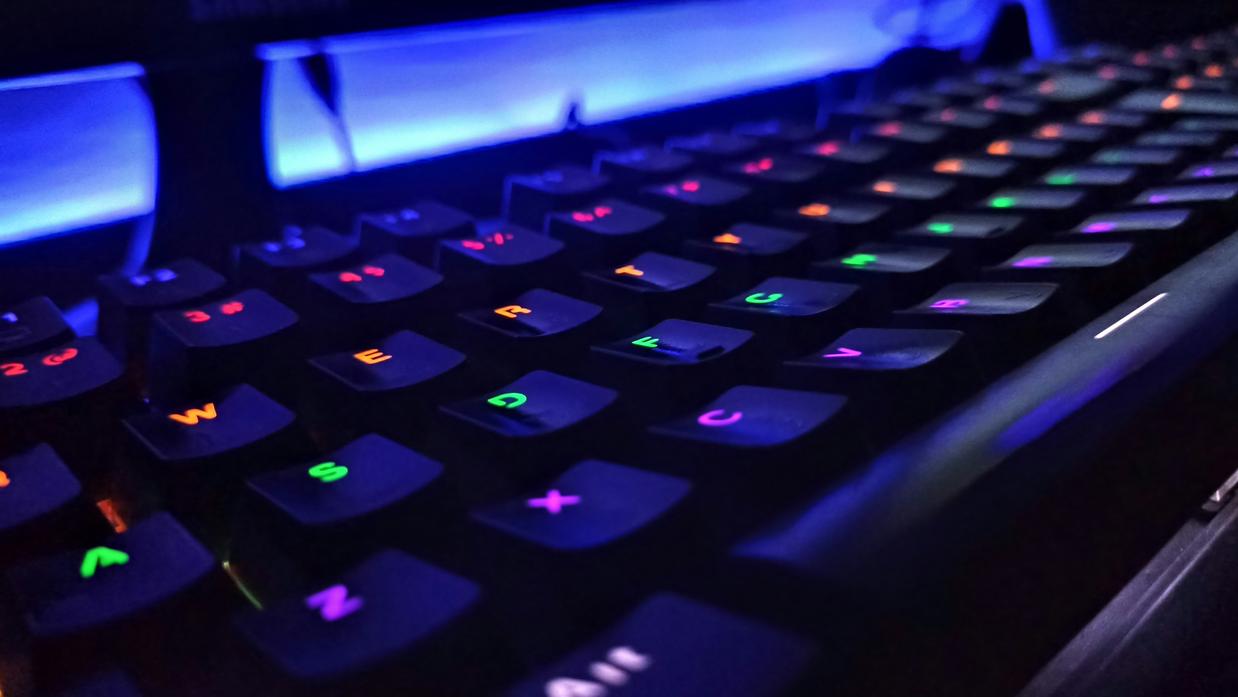
When comparing mechanical vs membrane keyboard gaming, durability is the headline stat. Mechanical switches are typically rated for 50–100 million keystrokes, while membrane domes average 5–10 million (per manufacturer data from Cherry MX and leading membrane OEMs). That’s not marketing fluff—it’s lifespan testing under controlled lab conditions. In practical terms, a mechanical keyboard used for 5 hours of daily gaming can last many years before switch fatigue sets in. A membrane board under the same load may start feeling mushy far sooner.
But let’s address the counterargument: price. Mechanical keyboards often start around $70–$120 for entry-level models and can exceed $200–$300 for premium builds with aluminum frames and hot-swappable switches. Membrane keyboards? You can find solid options between $20–$50. For casual players or those who value quiet operation, that’s real value.
Still, longevity shifts the math:
- Mechanical: longer lifespan, consistent actuation
- Membrane: lower upfront cost, quieter out of the box
Repairability also matters. Individual mechanical switches can often be replaced. When a membrane layer fails, the entire board usually goes. (And nobody likes replacing gear mid-ranked match.)
Over time, durability can outweigh sticker shock.
Making the Final Choice: Which Keyboard Wins for You?
You now understand the real trade-offs behind mechanical vs membrane keyboard gaming. So what’s in it for you?
It comes down to this: performance or practicality.
- Choose mechanical if you want faster actuation (the point a key registers), sharper feedback, and long-term durability. You gain precision in clutch moments and deeper customization.
- Choose membrane if you value affordability, quieter keystrokes, and a softer feel.
Some argue casual players don’t “need” mechanical speed. Fair. But if ranked matches matter, responsiveness becomes a competitive edge.
Assess your games, budget, and upgrade goals—then buy with confidence.
Level Up Your Setup with the Right Keyboard Choice
You came here to finally understand the real difference between mechanical vs membrane keyboard gaming — and now you have the clarity to choose with confidence. You know how switch types affect response time, durability, tactile feedback, noise levels, and overall competitive performance.
If missed keystrokes, slow actuation, or inconsistent feedback have been holding you back, the right keyboard can fix that. Your gear should sharpen your gameplay — not limit it.
Now it’s time to act.
Upgrade to a keyboard built for your playstyle and performance goals. Don’t settle for laggy inputs or worn-out keys when precision and speed matter most. Explore top-rated gaming keyboards, compare real-world performance reviews, and choose the setup trusted by competitive players who demand results.
Your next win could start with the right switch. Make the upgrade today and feel the difference in every match.
 A key contributor to the foundation of Zard Gadgets, Ronaldo Floresierna played a vital role in shaping the platform's technical and strategic edge. His expertise in eSports dynamics and gadget-driven enhancements helped bridge the gap between high-level gear and practical player performance. By focusing on professional-grade tutorials and hardware reliability, Floresierna ensured the project became a trusted resource for gamers seeking to optimize their competitive mastery.