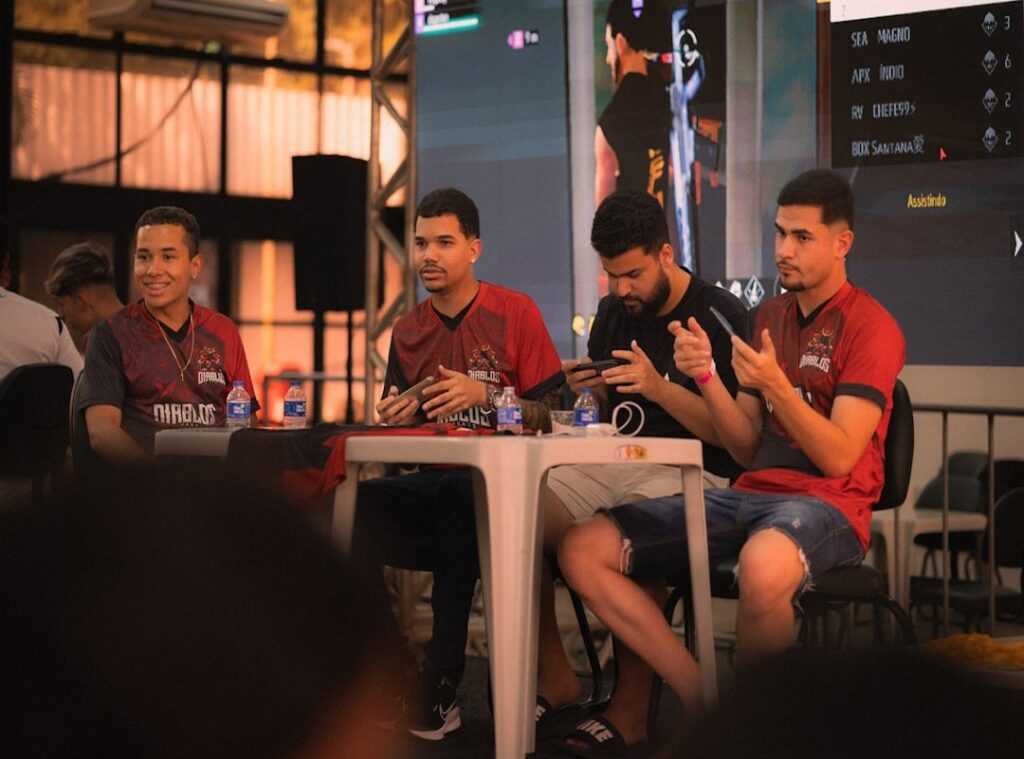
Ever felt your team fall apart like a house of cards? One missed callout, and suddenly it’s chaos. You know the feeling, right?
Your team yelling, “Who was watching flank?!” It’s frustrating beyond words. But it doesn’t have to be this way.
After watching countless hours of pro play and scrims, I’ve found what makes elite teams tick. There’s a magic in their esports team coordination. It’s a mix of timing, skill, and yes, a bit of luck.
But mostly, it’s about combo.
This guide’s for teams tired of losing games they should win. If you’re ready to transform those chaotic calls into well-oiled coordination, you’re in the right place. Trust me, with these steps, you’ll turn your team into a clutch-winning machine. and fix this.
The Secret Sauce: Real Team Collaboration
Real esports team coordination is more than just chatting in-game. It’s about becoming a single brain, predicting each other’s moves, and building unshakeable trust. Ever been in a PUG (Pick-Up Group)?
It’s chaos. Everyone pulls in different directions. But a great team?
They’re like a seasoned guild taking down a raid boss without missing a beat. Pure magic.
Proactive communication is the first ingredient. You need to talk before things happen (not after the chaos begins). Then there’s building shared mental models.
You know, predicting your teammate’s next move without them saying a word. This isn’t some mystical skill. It’s learned.
Role clarity is your final piece. Every player knows their job and nails it. So, are good players born or made?
Mastering this “secret sauce” of proactive chatter, mental combo, and clear roles transforms good players into a great team.
Want to dive deeper into team dynamics? Check out fps esports top tactics competitive play. It’s an art, not luck.
The Ultimate Comms Playbook: More Signal, Less Noise
The Pre-Game Huddle
Picture this: it’s game day, and the stakes are high. But where do you start? Simple.
You need a checklist that’s practical. Focus on setting goals and confirming roles for the specific map or match. You know that moment when everyone thinks they know what they’re doing, but nobody actually does?
Don’t let that be your team. In esports team coordination, clarity is just as key as plan.
In-Game Shot-Calling
Now, let’s talk about the heart of the game: the In-Game Leader or IGL. Ever heard a callout like “He’s over there!”? Yeah, not helpful.
The Three C’s of good callouts are Clear, Concise, and Calm. Think “Tracer, one-shot, on high ground.” Makes a world of difference, doesn’t it? Shot-calling isn’t about shouting; it’s about delivering the right info (right when it matters).
The best leaders keep it steady, no matter how intense things get.
The Post-Game Debrief
Finally, the post-game ritual. Skip the blame game (trust me, it’s a time-sink). Instead, use VOD reviews to pinpoint where communication lagged.
Focus on breakdowns, not mechanical flubs. It’s like peeling back the layers of an onion (without) the tears. Zero in on one communication goal for the next match.
That’s how you level up your comms game. Everyone loves a hero moment, but in reality, teamwork keeps the win streak going.
Gearing Up for Glory: Tech That Forges a Team
Let’s face it, the right gear can make or break an esports team. It’s not just about individual performance; it’s about team coordination. Ever tried to strategize with a teammate whose mic sounds like a wind tunnel?
Exactly. That’s why a high-quality, noise-canceling headset is a must. It’s not a luxury, it’s important.
Hearing every callout clearly can be the difference between victory and defeat.
And it’s not just hardware. Communication software is your team’s backbone. Sure, there’s Discord, but have you tried plugins or bots that handle scheduling and stats?
They keep everyone on the same page. You need clear channels set up. Otherwise, it’s chaos.
And who needs more chaos?
Now, let’s talk monitors. Synchronized settings (refresh rates and color calibration) make sure everyone sees the same game. Imagine losing a match because your screen’s colors were off.
Tragic.
But gear isn’t just physical. Plan and review tools like Miro or VOD review software help your team plan and analyze plays. You can draw up strategies and dissect positioning even when you’re miles apart.
It’s a game-changer for remote teams.
Want to dive deeper into how roles impact team dynamics? Check out this guide. It’s packed with takeaways that can transform your team’s approach.
Pro tip: Always keep evolving your setup. The competition isn’t standing still, and neither should you. Gear up and get ready for glory.
Building Combo Outside the Server: Game-Changing Tips
Ever notice how esports team coordination isn’t just about playing together? It’s about how you gel when the game’s off. Trust me, the magic happens when you step outside the virtual arena.

You want a team that clicks, right?
Try this: set up low-stakes, co-op party games. They’re fun and let you see how your team interacts without the pressure. (And no, Mario Kart doesn’t count unless you’re ready for chaos.) Or plan a team movie night online. Pick something everyone can mock or cheer together.
Bonus points for no horror flicks if you want to sleep that night!
Consider a “no-game-talk” channel on Discord. Just chat about life, memes, or that weird dream you had. It’s a space to breathe and connect.
Knowing your team’s personalities is key. Identify who’s the hype person, who’s the chill one, and who needs space post-loss. It’s like assembling the Avengers (minus the costumes, sadly).
Disagreements? They’ll happen. Handle them by acknowledging frustration, focusing on the issue (not on someone’s terrible taste in music), and finding a solution that works for the team.
Want to dive deeper into this? Check out this insightful paper on understanding esports team formation and coordination. You’ll get a broader view of how these dynamics play out.
Now go build that combo!
Leveling Up: From Coordinated to Clairvoyant
Ever watched a team play with such esports team coordination that it’s like they share a brain? That’s what we’re diving into here. Imagine a game of Valorant where a single smoke signals an entire plan shift without a word.
It’s like they’re speaking a secret language only they understand.
These teams? They have mastered non-verbal communication to the point where it’s almost spooky. Mid-round adaptations become second nature.
Doesn’t that sound like the ultimate goal? Turning practiced coordination into pure, instinctual teamwork? It’s not just about knowing your role.
A call from the IGL (in-game leader) isn’t just a suggestion. It’s a trigger for a full team metamorphosis.
It’s about being clairvoyant in your game sense.
You wouldn’t need to say a thing, and yet everything gets done. the magic happens. It’s like the Avengers assembling without needing Nick Fury to boss them around. Just pure, fluid action.
Level Up Your Squad Skills
Frustrated with disjointed play and constant losses? I get it. That’s the pain point: poor teamwork.
But here’s the thing: esports team coordination is a skill you can build with a little practice. Communication, the right tech, genuine bonding. These are your keys to victory.
So, ready for action? Stop reading and start doing! Pick a plan from this guide and try it with your squad in your next match.
Go get that W!
 A key contributor to the foundation of Zard Gadgets, Ronaldo Floresierna played a vital role in shaping the platform's technical and strategic edge. His expertise in eSports dynamics and gadget-driven enhancements helped bridge the gap between high-level gear and practical player performance. By focusing on professional-grade tutorials and hardware reliability, Floresierna ensured the project became a trusted resource for gamers seeking to optimize their competitive mastery.