
Choosing between a wired vs wireless gaming headset can feel overwhelming, especially when every brand claims to offer the ultimate competitive edge. Whether you’re grinding ranked matches, diving into immersive single-player campaigns, or communicating with your squad in high-stakes eSports battles, the right headset can directly impact your reaction time, clarity, and overall performance.
This article is built to help you make a confident, informed decision. We break down the real differences in latency, audio quality, battery life, durability, and price—so you can match your setup to your gaming style. Instead of relying on marketing claims, we reference hands-on gear testing, competitive gaming standards, and performance benchmarks used by serious players.
By the end, you’ll clearly understand which option fits your needs, whether you prioritize zero-latency precision, cable-free convenience, or long-session comfort. Let’s cut through the hype and focus on what actually improves your gameplay.
Audio Fidelity: Does a Wire Still Mean Better Sound?
Wired Advantage
First, let’s define lossless audio: sound transmitted without compression, meaning no data is thrown away during delivery. A wired connection through a 3.5mm jack or USB sends that full signal straight to your headset. No interference, no battery anxiety, no middleman. In competitive shooters, that reliability matters. Subtle cues—like distant footsteps or a reload behind a wall—arrive intact (and yes, that split-second detail can decide a round).
Wireless Evolution
However, the old “wired is always better” mantra deserves scrutiny. Modern 2.4GHz wireless connections transmit near-lossless audio with extremely low latency—often indistinguishable from wired in blind tests. By contrast, standard Bluetooth compresses audio using codecs such as aptX Low Latency, which can slightly reduce fidelity. Still, high-end 2.4GHz headsets? They’re not the tinny Bluetooth earbuds of 2012. Think less “early AirPods,” more “studio-grade without the leash.”
The Verdict for Audiophiles
So, wired vs wireless gaming headset debates miss nuance. Technically, wired retains a slight edge for pure signal integrity. Yet for 99% of gamers, premium 2.4GHz wireless sounds identical in practice.
Pro Gamer Use Case
That said, many eSports pros stick with wired. In crowded tournament venues packed with signals, a cable guarantees stability. Pro tip: if you compete on LAN stages, eliminate variables—go wired.
Latency & Connection Stability: The Milliseconds That Matter
Latency—often called input lag—is the delay between an in-game action and the sound reaching your ears. In competitive gaming, milliseconds can decide outcomes (just ask any Valorant player who lost a clutch by a frame). Wired headsets, by design, deliver near-zero latency because the signal travels directly through a cable—no encoding, no transmission guesswork.
Here’s the contrarian take: wireless isn’t the villain anymore.
For years, gamers swore that wired was the only serious option. But modern 2.4GHz wireless dongles routinely achieve sub-20ms latency—effectively imperceptible to most humans (RTINGS testing shows many models rival wired performance). That’s a far cry from Bluetooth, which can exceed 100ms and isn’t built for competitive play.
Still, wireless has a weakness: interference.
- Routers crowding the 2.4GHz band
- Microwaves (yes, really)
- Multiple connected devices fighting for space
A wired connection avoids all of that. It’s physically stable—plug in, and it works.
So in the wired vs wireless gaming headset debate, the real decision is context. Hardcore competitive players may want absolute certainty. Everyone else? A quality 2.4GHz wireless headset is more than reliable enough.
Freedom of Movement & Convenience
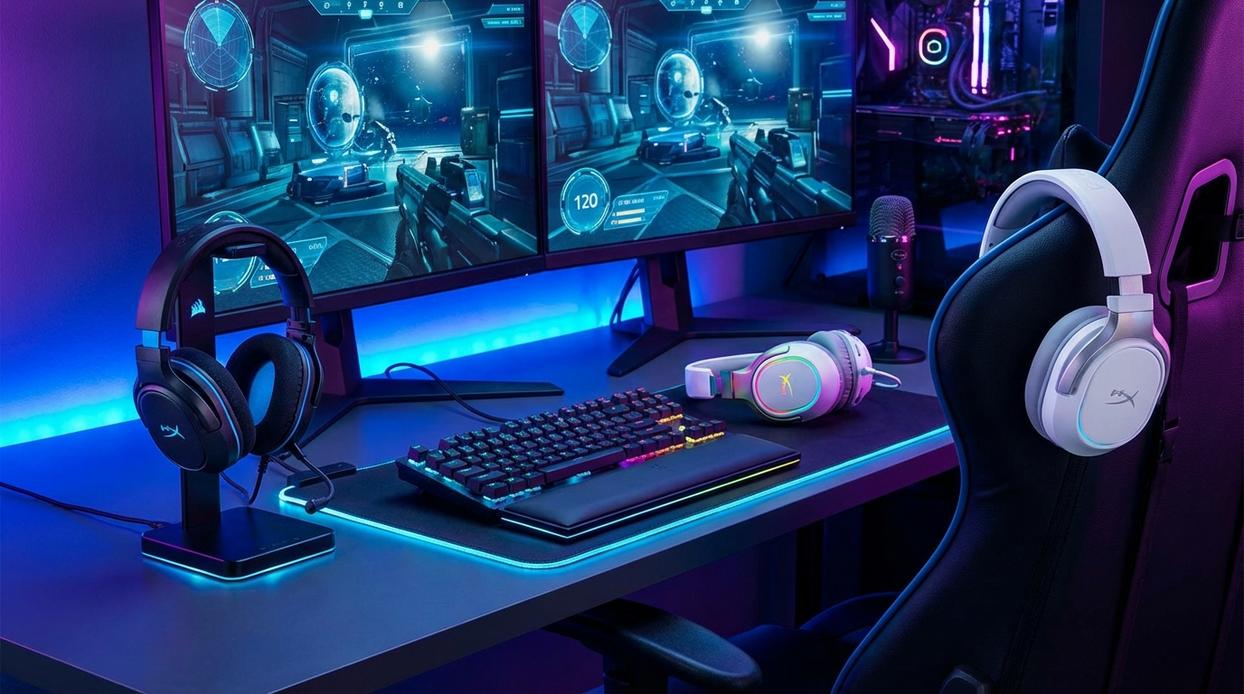
First, let’s talk about the obvious win: no tangled cables. A wireless headset lets you stand up, grab a drink, or pace during matchmaking without yanking your setup off the desk (we’ve all had that near-disaster moment). That freedom translates into comfort—and comfort keeps you focused longer.
By contrast, wired models often come with cable drag, limited reach, and the occasional chair-wheel snag. In the wired vs wireless gaming headset debate, that physical tether can subtly break concentration.
The benefits stack up quickly:
- Move freely between rounds without unplugging.
- Keep a cleaner desk for a distraction-free setup.
- Boost immersion by removing physical reminders of your gear.
As a result, your gaming space feels less cluttered and more cinematic. It pairs perfectly with upgrades like ergonomic gaming chairs do they really improve performance.
Meanwhile, hybrid headsets offer both wired and wireless modes—flexible, yes, though usually pricier. Pro tip: if you game in multiple rooms, hybrid convenience can justify the cost.
Battery Life & The Burden of Charging
The Achilles’ heel of wireless audio is simple: batteries. Most wireless gaming headsets last 15–30 hours per charge, while premium models stretch past 50+ hours (manufacturer specs; real-world use often lands lower). That sounds generous—until your headset dies mid-ranked match.
The “mid-game power down” is every gamer’s villain origin story (yes, even more dramatic than a Star Wars betrayal). Some brands offer play-and-charge, meaning you can plug in and keep gaming. Still, you’re tethered when you least expected it.
By contrast, wired headsets draw power directly from your device. In the wired vs wireless gaming headset debate, that infinite uptime is a quiet superpower.
So the real question becomes habit-based:
- Do you reliably charge devices nightly?
- Or do you prefer zero battery anxiety?
Looking ahead—pure speculation—battery tech may soon push 70+ hour norms as efficiency improves. Pro tip: if you game competitively, always keep a charging cable within arm’s reach.
Price & Long-Term Durability
When I first compared a wired vs wireless gaming headset, I made the rookie mistake of focusing only on upfront price. Generally, wireless models cost more because they include extra tech—transmitters (devices that send signals), receivers (devices that capture them), and rechargeable batteries. I assumed higher cost meant longer lifespan. Not quite.
Meanwhile, wired headsets have a notorious weak spot: the cable. Fraying insulation and internal wire breaks can quietly kill your audio mid-match (usually at the worst possible moment). However, wireless models introduce battery degradation—meaning capacity shrinks over years of charging. Pro tip: check battery replacement options before buying.
Level Up Your Audio Game for Good
You came here to finally settle the wired vs wireless gaming headset debate and figure out which setup truly fits your playstyle. Now you know the strengths, trade-offs, and real-world performance differences that can make or break your competitive edge.
Lag, battery anxiety, tangled cables, inconsistent audio cues—these pain points aren’t small when every second and every sound matters. The right headset isn’t just an accessory; it’s a competitive advantage that sharpens your reactions and keeps you locked in.
So here’s your move: choose the headset that matches your gaming habits and upgrade today. Don’t keep grinding with gear that holds you back. Explore our top-rated gaming headset recommendations—trusted by competitive players and backed by in-depth testing—and pick the one that gives you the edge.
Better sound. Faster reactions. More wins. Now plug in—or power up—and play at your peak.